Why Professional Traffic Control Is Essential for Safe and Efficient Road Management
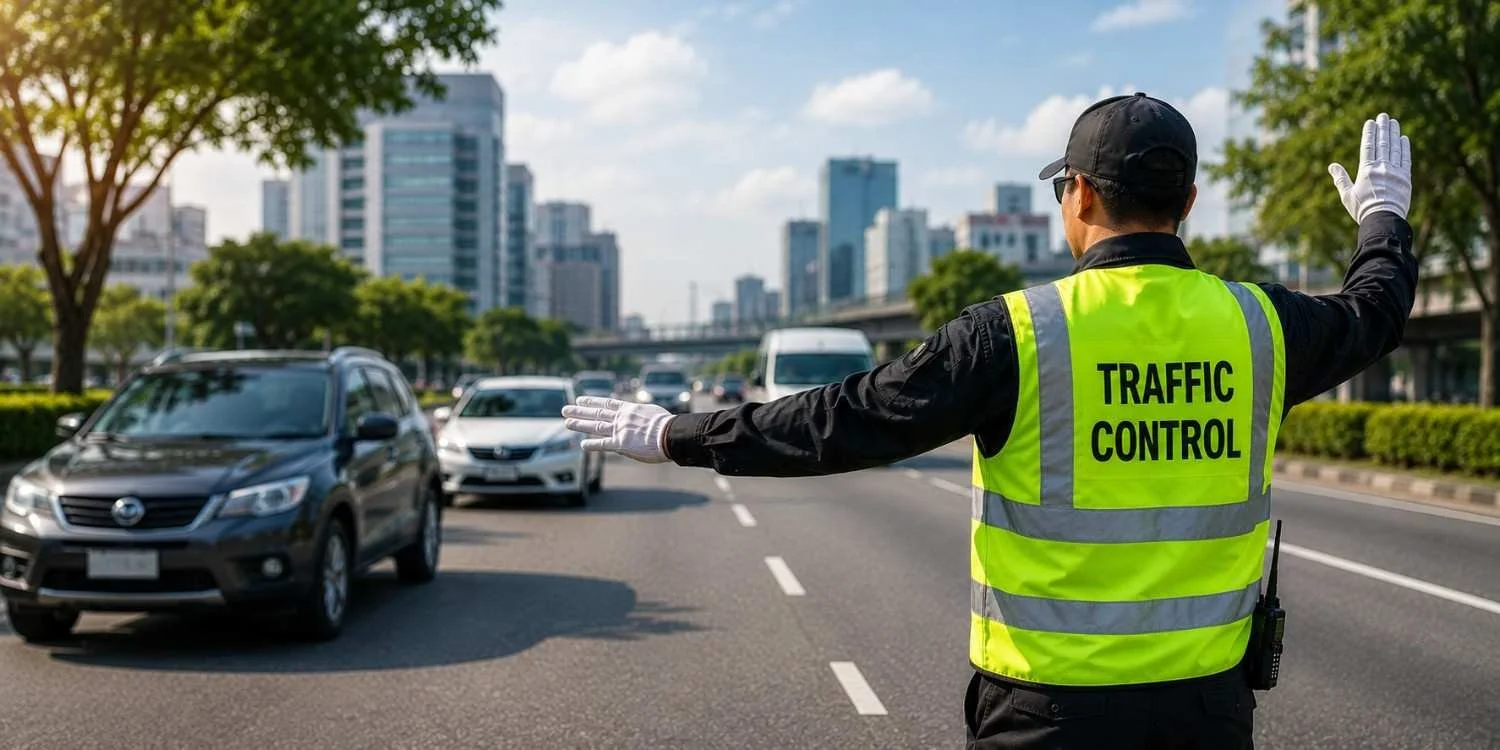
Roads connect homes, schools, offices, hospitals, and public spaces. Every day, thousands of vehicles move through busy streets and highways. However, road repairs, construction work, and public events can disrupt traffic flow and create safety risks. A professional traffic control company helps manage these situations with clear planning and safe traffic systems.
Modern roads need strong traffic management because traffic levels continue to rise each year. Drivers need clear directions, workers need protection, and pedestrians need safe access routes. Professional traffic control supports all these needs while keeping roads organised and safe.
The Growing Importance of Traffic Management in Modern Urban Environments
Cities continue to expand as new buildings, transport systems, and business areas develop across urban regions. Because of this growth, roads face more pressure than ever before. Heavy traffic often causes long delays, road stress, and safety concerns.
Traffic management helps reduce these problems by guiding vehicles through busy areas with structure and order. It also helps local authorities maintain smooth road movement during road upgrades and public projects.
Key reasons why traffic management matters include:
Rising vehicle numbers on urban roads
Increased road repair projects
Heavy congestion during peak hours
Safety risks near schools and work zones
Without proper traffic planning, drivers face confusion, and workers face danger. Therefore, professional traffic systems play a major role in modern city life.
What Is Traffic Control and Why Does It Matter?
Traffic control refers to the systems that guide vehicles and pedestrians through roads, construction areas, and public spaces. These systems include road signs, barriers, cones, lane markings, and traffic marshals.
Traffic control matters because roads contain many hazards. Drivers make quick decisions while workers operate close to moving traffic. Clear guidance helps reduce accidents and supports safe travel.
Professional traffic teams manage:
Lane closures
Diversion routes
Temporary speed limits
Pedestrian crossings
Emergency access points
Good traffic control keeps road users informed. It also helps projects move forward with fewer delays and lower risk.
Key Components of an Effective Traffic Management Plan
Every road project needs a clear traffic management plan before work begins. This plan explains how vehicles and pedestrians will move through the area during the project.
Site Inspection
Traffic teams inspect the site to study traffic flow, nearby junctions, and pedestrian activity. This process helps them identify risks early.
Clear Signage
Signs warn drivers about road changes ahead. These signs help drivers prepare for lane changes and reduced speed zones.
Safe Work Areas
Barriers and cones create protected spaces for workers. These systems separate traffic from construction zones.
Emergency Access
Strong plans always include clear routes for ambulances and emergency crews.
A detailed traffic plan reduces confusion and supports safer road conditions.
How Traffic Control Enhances Safety for Workers and Road Users
Roadwork areas create serious safety risks for both workers and drivers. Heavy vehicles, reduced lane space, and changing road layouts increase the chance of accidents.
Professional traffic control lowers these risks through organised systems and clear direction. Warning signs alert drivers before they enter work zones. Traffic marshals guide vehicles through narrow sections and busy crossings.
Traffic teams also create safe walkways for pedestrians near construction areas. This approach protects people from moving vehicles and work equipment.
A traffic control company often works closely with contractors and local authorities to maintain safety standards during each project stage.
The Role of Professional Traffic Marshals in Modern Traffic Control Operations
Traffic marshals help maintain order across busy roads and work sites. They guide drivers, monitor traffic movement, and respond to changing road conditions.
Traffic marshals often work in:
Construction projects
Public events
Road maintenance zones
Parking areas
Emergency response sites
Their training helps them manage traffic pressure during busy periods. They use hand signals, radios, and direct communication to guide vehicles with care.
Because traffic conditions can change quickly, marshals must remain alert throughout the day. Their presence helps reduce delays and improve road safety.
Planning and Risk Assessment Before Roadwork Begins
Careful planning forms the foundation of every successful road project. Before crews arrive on site, traffic experts inspect the area and review possible hazards.
Risk assessments focus on:
Traffic speed and volume
Pedestrian routes
Nearby schools and crossings
Weather conditions
Night visibility
After the assessment, teams create a traffic plan that matches site conditions. This process helps reduce accidents and supports smoother traffic movement.
Strong planning also improves communication between councils, contractors, and emergency services.
Temporary Traffic Control Solutions for Construction and Events
Construction work and public events often change normal traffic patterns. Temporary traffic systems help maintain order during these situations.
These temporary systems may include:
Portable traffic lights
Temporary barriers
Detour signs
Traffic cones
Pedestrian fencing
These tools guide drivers through changing road layouts with clear direction.
Large events also require strong traffic support because high visitor numbers can create congestion near venues and public spaces. Traffic teams manage parking areas, entry routes, and exit points to reduce confusion.
A professional traffic control company can also adjust traffic systems during the day as traffic conditions shift.
Technology and Innovation in Modern Traffic Management Systems
Modern traffic management systems now use advanced technology to improve road safety and traffic flow.
Digital signs provide live traffic updates and warning messages for drivers. Traffic sensors help teams monitor congestion and identify busy road sections.
Some traffic systems also use cameras to monitor work zones and detect incidents quickly. Smart traffic lights can adjust signal timing based on traffic conditions.
These systems help traffic teams respond to road issues with speed and accuracy. Technology also supports stronger communication between project managers and traffic crews.
How Professional Traffic Control Improves Project Efficiency
Good traffic control supports both safety and project efficiency. Clear traffic systems help drivers move through work zones with fewer delays.
When traffic flows smoothly, workers can focus on project tasks without constant interruptions from unsafe vehicle movement.
Professional traffic management can help reduce:
Road congestion
Project delays
Public complaints
Safety incidents
Road closure times
Traffic teams often adjust traffic plans as work progresses. This approach helps projects stay organised and finish on schedule.
Common Traffic Management Challenges and How Experts Solve Them
Traffic management teams face many challenges during road projects and public events.
Heavy congestion remains one of the most common issues. Traffic experts solve this problem through diversion routes, staged lane closures, and careful planning.
Poor weather can also create dangerous road conditions. Rain and fog reduce visibility and increase stopping distance for drivers. Traffic teams respond with stronger lighting, warning signs, and speed controls.
Driver behaviour creates another challenge because some drivers ignore road signs or exceed speed limits near work zones. Clear instructions and trained marshals help reduce these risks.
Quick action from skilled traffic teams helps maintain safety during unexpected incidents and changing road conditions.
Choosing the Right Traffic Control Company
Choosing the right traffic control company plays a major role in project success. Experienced traffic teams understand road safety rules, traffic planning, and site management.
Before selecting a provider, project managers should review:
Staff training and qualifications
Experience with similar projects
Safety procedures
Equipment standards
Communication methods
Reliable traffic specialists maintain strong communication throughout each project stage. They also respond to changing conditions with practical solutions.
Conclusion
Professional traffic control supports safe roads, organised traffic flow, and efficient project delivery. Modern cities depend on strong traffic systems to manage growing vehicle numbers and rising construction activity.
Clear planning, trained marshals, and modern technology help reduce congestion and improve road safety for workers and drivers alike. As cities continue to grow, professional traffic management will remain essential for safe and efficient road operations.
FAQs
-
Traffic control guides vehicles and pedestrians through changing road conditions. It helps reduce accidents and protects workers.
-
Traffic teams use signs, cones, barriers, traffic lights, and fencing to guide road users safely.
-
Traffic marshals guide vehicles through work zones and help maintain smooth traffic flow.
-
A traffic management plan should include site inspection details, traffic routes, signage, and emergency access points.
-
Professional traffic control reduces delays, improves safety, and helps projects remain organised throughout each stage.