Event Security Services: Safe & Well-Managed Events
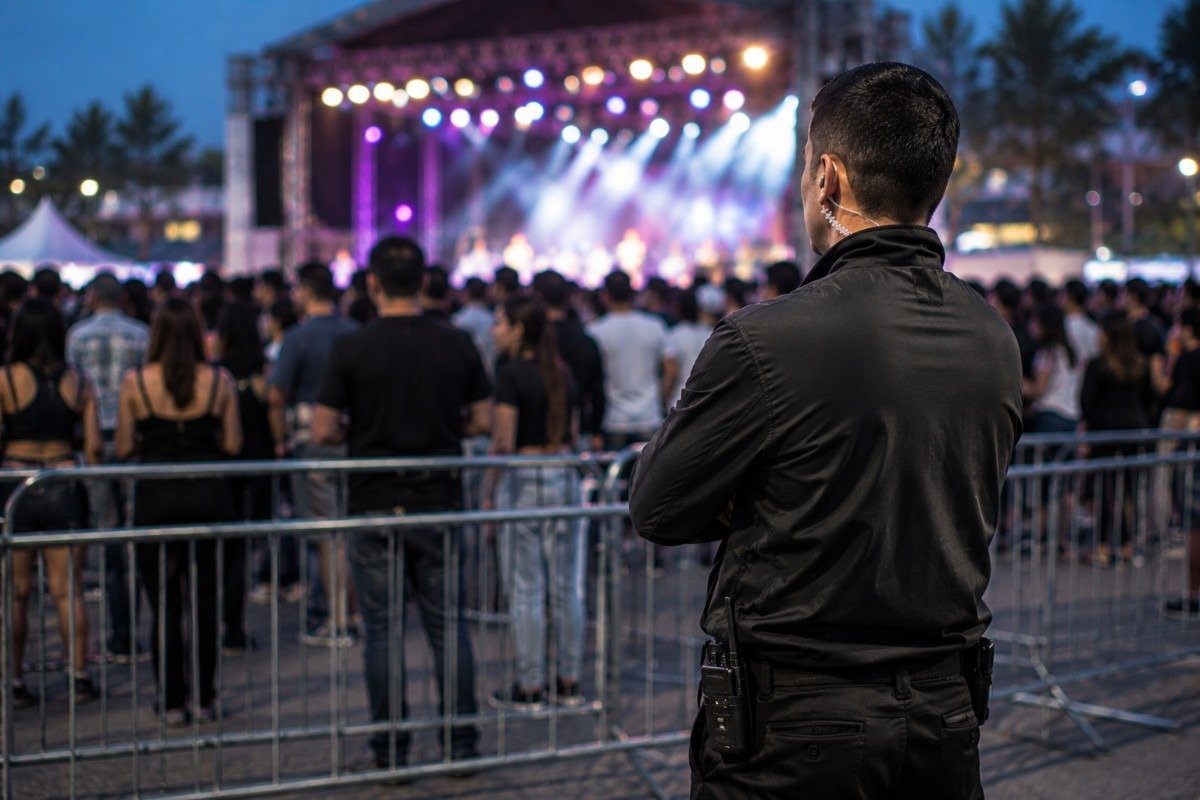
A great event can take months to plan, yet one security issue can disrupt it within minutes. From overcrowded entrances and unauthorised access to theft and sudden emergencies, organisers need to be ready for risks before guests arrive.
That is where professional event security services make a real difference. Trained security teams help control access, manage crowds, protect people and property, and respond to incidents with a clear plan. More importantly, effective security works quietly in the background while guests enjoy the event without unnecessary concern.
Whether you are organising a corporate conference, concert, exhibition or private function, strong security planning helps keep everything under control. Understanding how event security works is the first step towards creating a safe and well-managed event.
What Is Event Security?
Event Security refers to securing the participants, employees, properties and locations from any potential hazards. The measures may include security personnel, access control, crowd control, guest screening, and emergency planning. Professional security firms will help identify the risks and implement the appropriate measures.
The presence of security is important in contemporary events, due to potential hazards that can be created by large crowds and busy locations. Trained personnel will ensure proper control of the situation without compromising the event itself.
Some of the risks may include crowd surges, unauthorised access, theft, fights, vandalism, and first aid cases. Unexpected emergencies such as fires and bad weather conditions can also happen at an event. In conclusion, every event requires security tailored to the particular situation.
Why Event Security Is Essential for Public and Private Events
All events involve bringing together individuals, valuable property, and potential safety threats. Organisers use the professional services of event security to control the event and keep all participants safe.
Crowd Management: The security crew controls lines, entrances and exits, and ensures that crowds don't gather in potentially unsafe locations. Guards will assist the crowd to move around the event safely.
Asset Protection: Events typically involve expensive equipment, displays, and personal items that could get stolen or damaged. Security guards assist in safeguarding from theft, damage, and unauthorised access to certain locations.
Emergency Preparedness: Professional guards provide emergency management services in case of a medical emergency, fire, crowd problems, or any other type of emergency.
Safety Regulations: Organising an event might require adhering to some specific laws and regulations. An expert security team assists in organising events that are both legal and safe.
Proper planning and adequate security measures ensure that events take place under safe circumstances.
Event Guard Security: Roles and Responsibilities
Event guards play a key role in keeping an event safe, organised and under control. Their duties can change based on the venue, crowd size and type of event.
Access control
Event guards will screen tickets, passes, and invitations at entrance points. They also stop unauthorised individuals from entering restricted zones.
Crowd management
The guards control queues, observe crowd movement and avoid overcrowding. Guards also assist in keeping entrances, exit points, and pathways clear.
Security monitoring
Guards conduct patrols in the event venue and watch out for any suspicious activities and objects. Quick actions can avert minor incidents from becoming big problems.
Incident management
In case of any incident happening, the event guards follow the pre-arranged security plan. The guards have the capacity to control the situation and seek the assistance of supervisors and emergency services if necessary.
Asset protection
Security officers protect the equipment, display, merchandise and other valuable assets from any form of theft, damage or unauthorised access.
Guest services
Event guards also provide assistance to visitors with direction and some security services. A professional attitude will make guests feel safe and secure.
Key Skills Required for Event Guards
Event guards need more than physical presence to keep an event secure. Strong communication, awareness and quick decision-making help them handle different situations with confidence.
Strong Observation Skills
Guards must stay alert and notice unusual behaviour, safety hazards or changes in crowd movement before they become serious concerns.
Clear Communication
Good communication helps guards give clear instructions, guide guests and share important information with other security staff.
Conflict Management
Event guards should know how to calm tense situations and deal with difficult behaviour without causing further disruption.
Quick Decision-Making
Unexpected situations can develop fast. Guards need to assess the problem and take suitable action while following security procedures.
Professional Behaviour
Guards should remain polite, calm and approachable throughout the event. This helps maintain security while creating a positive experience for guests.
Areas Where Event Guards Are Deployed
The event guards are stationed at strategic points in the venue to help mitigate any risks and ensure safety throughout the duration of the event.
Entry/Exit Points: The guards check tickets, invites and passes while controlling guest entry and exit.
Stages/back-stage Areas: Security personnel ensure that unauthorised access is mitigated and protect the performers, speakers, crew members and their equipment.
VIP Areas: The guards control access into VIP areas and assist in protecting the VIP guests against any unauthorised access.
Crowded Areas: The security personnel help in monitoring crowded areas and controlling queues.
Vehicle/Loading/Unloading/Parking Areas: The guards help control access in the vehicle loading and parking areas to minimise security risks.
Emergency exits: The security personnel help keep the emergency exits free and assist during evacuation if need be.
Strategic guard placement helps maintain smooth operations while keeping guests, staff and key areas protected throughout the event.
Event Security Services Explained
Professional event security services protect guests, staff, property and venues. Services may include access control, crowd management, screening, patrols and emergency support based on the event’s needs.
Types of Event Security Services
Corporate Event Security
Corporate security works towards providing protection for employees, guests, equipment, and restricted areas at conferences, meetings, launches, and business events.
Concert & Festival Security
Security personnel control crowd management, entrances, queues, and stage areas. They also handle any instances of unsafe behaviour and other security issues.
Exhibition Security
Guards provide protection to important items and equipment on display while controlling entrances and restricted areas.
Private Event Protection
In the case of private parties like weddings, guards ensure that there is proper guest management and prevent any unauthorised access.
How Professional Event Security Improves Event Safety
Professional event security services can reduce any threats before they arise to affect the attendees or even jeopardise the success of the event. Professional security personnel will identify any potential threats and monitor the critical areas, reacting quickly once they see any signs of anything that could be dangerous.
Security officers can increase efficiency in terms of movement around the venue as well. Good coordination and communication between the security officers and the event management ensure quick reaction to any emergency situations or conflicts.
This way, security can also deter any potential criminal activity such as theft and vandalism. Thus, the event management will be able to have full control over the venue while ensuring that attendees have a pleasant experience.
Common Challenges in Event Security Management
Despite proper planning, there can be various unforeseen issues in events that need to be anticipated by the security team in order to act beforehand.
Crowd Control: A large number of people can lead to overcrowding and movement within the event in a hazardous manner, especially near entries, exits, and the stage.
Unauthorised Entry: Unauthorised access to an event due to lack of tickets or passes is a common issue in events.
Poor Communication: The lack of effective communication between security personnel and event organisers during an incident/emergency can lead to delays.
Theft/Damage of Property: Various property items, such as equipment, displays, and personal belongings, can fall victim to theft or damage during crowded events.
Emergencies: Emergencies including medical situations, fire outbreaks, extreme weather and sudden movement of the crowd in one place.
Disruptive Conduct: Disruptive conduct such as fights, arguments, and misconducting themselves can pose an issue in events.
By identifying these potential problems in advance, event security services can plan on what should be done in advance.
Choosing the Right Event Security Services Provider
The right security provider can make a major difference to the safety and smooth running of an event. Consider experience, staff quality and planning standards before making your choice.
Check Experience and Expertise
Ensure that you have chosen a security provider who has enough experience in providing security for events like yours. A professional team would definitely have enough knowledge about potential dangers.
Review Training and Licensing
It is very important that security guards are appropriately trained and licensed according to requirements. They could tackle any kind of problem related to accessing and handling crowds.
Ask About Security Planning
An experienced security provider would definitely assess the venue before an event starts. A good security plan would consider the access points and movement of the crowd.
Consider Communication and Response
When it comes to responding to an incident, communication between guards and organisers is of utmost importance. It must be considered before choosing a provider.
Look at the Services Offered
Choose event security services that match your event’s specific needs. These may include access control, crowd management, screening, patrols and protection for restricted areas.
Conclusion
A safe and successful event depends on careful planning, trained security staff and a clear response plan. From controlling access and managing crowds to protecting valuable assets, professional event security services help reduce risks at every stage.
The right security approach should always match the venue, crowd size and type of event. Skilled guards can spot concerns early, respond to incidents and help guests feel secure without disrupting their experience. By choosing an experienced security provider and planning security from the start, organisers can create events that are safer, better managed and more enjoyable for everyone involved.
FAQs
-
Event security services assist in securing the safety of attendees, employees, assets, and the location before, during, and after the event takes place. It may consist of trained security personnel, access control measures, crowd control procedures, guest screening, surveillance, and more.
-
A good security system can help minimise threats such as overcrowding, burglary, unauthorised access, and unruly behaviour. Security staff will also ensure the monitoring of the event venue to take care of any emerging situation before it becomes a bigger threat.
-
The roles of an event security guard include ticket checking, controlling access points, crowd management, and patrolling key areas. The guard may also be responsible for equipment protection, escorting guests, and handling any security issues or emergencies that may arise.
-
There is no fixed number of security guards that can be used at every single event. The requirements will depend upon various parameters such as size of crowd, design of the location, entrances, and the kind of event being organised.
-
Planning of the security measures for the event needs to be done during the planning stage itself and not close to the event. This helps the organisers to assess the risks involved and to plan out access points and guard placement, among others.