Complete Guide to TMA Rental in Singapore for Roadwork Safety and Compliance
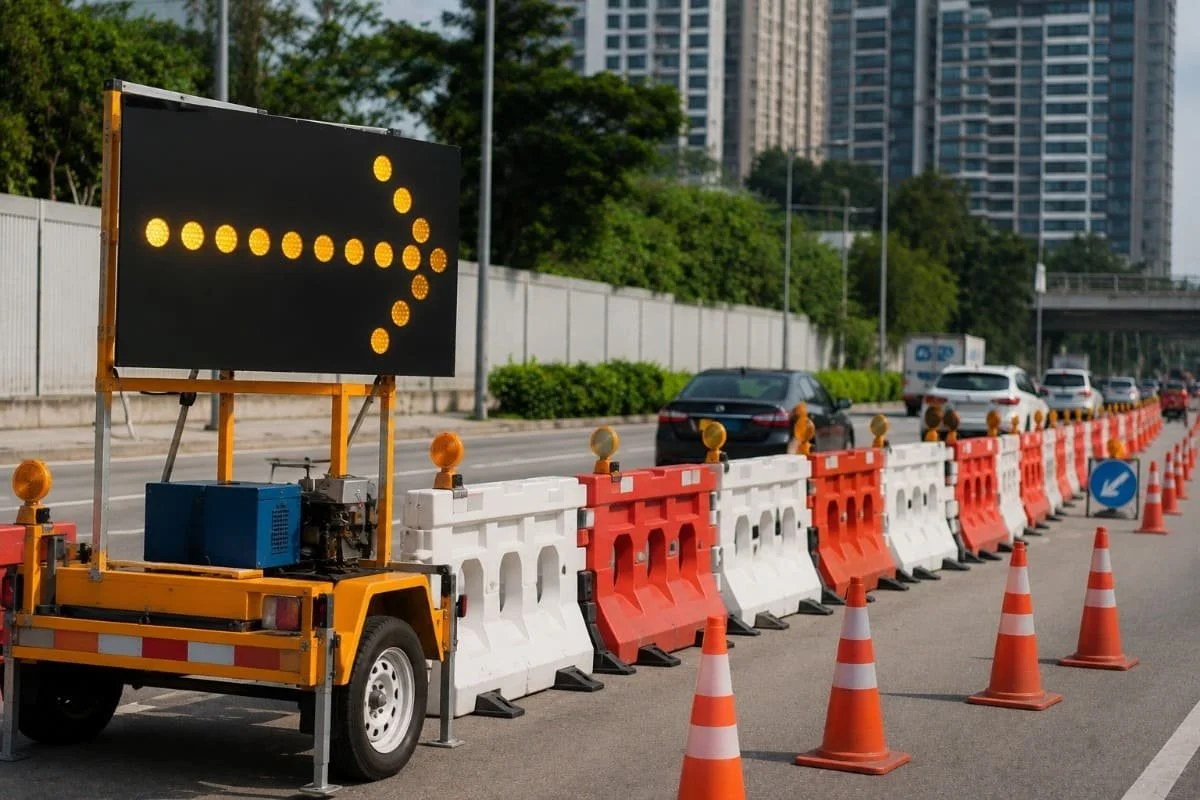
Roadwork in Singapore often takes place close to heavy traffic, where even a small mistake can put workers and drivers at risk. Cones, signs and barriers help guide traffic, but some work zones need stronger impact protection. A Truck Mounted Attenuator (TMA) provides an extra safety layer between moving vehicles and road crews.
Choosing the right TMA rental in Singapore helps contractors create safer work zones while meeting local road safety requirements. A suitable TMA can reduce the impact of a collision and protect workers, vehicles and equipment during road maintenance, lane closures and other roadside works.
However, TMA requirements can vary based on road speed, work type and traffic conditions. Understanding when a TMA is needed, what safety standards apply and what to check before renting one can help contractors plan roadworks with greater care and fewer delays.
What Is a Truck Mounted Attenuator?
A Truck Mounted Attenuator is an impact protection system fitted to the rear of a suitable shadow vehicle. It sits between approaching traffic and workers, equipment or work vehicles.
If an errant vehicle enters the work area, the attenuator is designed to absorb part of the impact energy. As a result, it can reduce the severity of a collision and provide added protection for the work crew.
A TMA is not a replacement for proper traffic control. Instead, it works alongside signs, warning lights, cones, barriers and trained traffic personnel.
Why TMA Rental in Singapore Matters for Roadworks
Singapore’s busy roads can place roadwork crews close to fast-moving traffic. A reliable TMA rental in Singapore adds an important layer of protection while helping traffic move safely around the work zone.
Worker Protection: A TMA creates a protective buffer between approaching vehicles and road crews. It can help reduce the risk of serious injury if a vehicle enters the work zone.
Safer Traffic Flow: TMAs work with warning signs, cones and other traffic control measures to guide motorists safely around roadworks and lane closures.
Support for Mobile Works: TMAs are useful for short-duration and mobile operations where crews move between road sections while carrying out maintenance or repair work.
Better Work Zone Safety: Using suitable impact protection helps contractors manage road risks and create a safer space for workers, equipment and motorists.
With the right TMA and traffic control measures in place, contractors can improve roadwork safety while reducing risks for everyone using the road.
Understanding TMA Compliance in Singapore
Compliance is an important factor when choosing TMA rental in Singapore. LTA guidance covers TMAs used on public roads with posted speeds of 70 km/h or more.
A TMA fitted to a shadow vehicle should meet NCHRP 350 TL-3 or AASHTO MASH TL-3 standards, with proof of crash testing. It should also be installed by a manufacturer-authorised workshop according to approved requirements.
Before renting, check:
Valid compliance and crash-test documents
A suitable shadow vehicle
Correct TMA installation and regular maintenance
Availability of trained personnel
Working warning lights and safety equipment
These checks help improve roadwork safety and reduce compliance issues or project delays.
When Is a TMA Needed?
Not every roadwork project has the same traffic risk. However, LTA's Code of Practice gives clear requirements for certain higher-speed work zones.
For example, a TMA is required when installing or removing temporary traffic control devices on major roads with speeds of 70 km/h or more and on expressways. TMA-equipped protective vehicles are also part of the procedures described for mobile operations.
Common situations may include road maintenance, lane marking, utility works, pavement repairs and other short-duration or moving road operations.
How to Choose a TMA Rental Provider
Choosing the right TMA rental in Singapore involves more than comparing rental prices. The provider should offer suitable equipment, reliable support and a clear understanding of local roadwork needs.
Check Roadwork Experience
Choose a provider with experience in Singapore roadworks, lane closures and traffic diversions. Local knowledge can help make planning and on-site operations smoother.
Review TMA Equipment
Check the condition, safety features and suitability of the TMA before renting. The equipment should match the road conditions and needs of your project.
Confirm Compliance Documents
Ask the provider for relevant compliance and crash-test documents. Proper records help you confirm that the TMA meets the required safety standards.
Check Maintenance Practices
Find out how often the TMA and shadow vehicle are inspected and maintained. Well-maintained equipment can reduce breakdowns and delays during roadwork.
Consider Traffic Control Support
Look for a provider that can support other road safety needs, such as warning signs, trained personnel and traffic control planning. This can make it easier to manage the whole work zone safely.
Planning TMA Rental Before Work Begins
Proper planning ensures that the TMA, safety gear and workers are prepared before the road work commences. Some of the things to note here are:
Location of Work: Analyse the type of road, work location and its traffic situation.
Road Speed: Know the speed limit on that particular road to determine the necessary TMA.
Lane Formation: Determine any lanes that will be closed or diversions, as well as locations suitable for installing the TMA.
Traffic Control Plan: Ensure that the approved traffic control plan includes signs, barriers, lighting and other safety features.
TMA Rental: Coordinate the TMA rental according to the approved dates for road work.
Permits: Ensure you comply with LTA guidelines using the PROMPT site for road works permits and road closure notices.
Early planning can prevent equipment shortages, scheduling conflicts and last-minute compliance problems.
Common Mistakes to Avoid When Renting a TMA
Finding the right TMA goes beyond just selecting an available TMA. Avoiding some mistakes can contribute to safety and prevent unnecessary disruptions.
Renting TMA Only Based on Price: A relatively low rental cost does not automatically imply that the provider will give quality and compliant equipment. When comparing rental companies, look beyond the price tag.
Renting at Short Notice: Availability of TMA for road work is likely to be low at certain times of the year. Booking at short notice leaves little room to fit into your roadwork schedule.
Neglecting Compliance Checks: Always conduct checks on safety documents and crash-test ratings of the equipment. It helps to ensure that you are getting the right equipment to meet the job requirements.
Rental of Unsuitable Equipment: Make sure that the TMA and its accompanying shadow vehicle are suitable for the type of road work and the type of road. The wrong equipment could lead to additional safety hazards.
Overlooking Traffic Management Plan: The use of TMA forms is only one element of work zone safety. The signs, barriers, warning signals, and people must be part of a well-designed traffic management plan.
Avoiding these mistakes can help contractors get more value from TMA rental in Singapore while keeping roadwork safer and better organised.
Conclusion
Roadwork safety requires the right equipment, careful planning and proper traffic control. A Truck Mounted Attenuator adds an important layer of protection for workers, motorists and equipment, especially on busy or high-speed roads.
When choosing TMA rental in Singapore, consider equipment condition, safety standards, provider experience and compliance documents. It is also important to plan the rental around road conditions, permits and the approved traffic control plan.
A reliable TMA rental provider can help contractors create safer work zones, meet Singapore’s road safety requirements and keep roadwork operations running with fewer delays.
FAQs
-
A Truck Mounted Attenuator (TMA) is a safety device fitted to the rear of a shadow vehicle. It helps absorb impact and protect road workers, equipment and motorists during roadworks.
-
A TMA might be required for roadworks on expressways and main roads because of the relatively high speed of vehicles passing through them. Contractors are encouraged to verify the TMA requirement based on the particular site of work.
-
When selecting TMA rental in Singapore, make sure to look into the condition of the TMA, its safety standards, crash-test results, and suitability of the car. Another important aspect to take into account is the company’s roadwork experience and maintenance policies.
-
LTA guidelines recommend that all appropriate TMAs must conform to the established crash test criteria, for example, NCHRP 350 TL-3 or AASHTO MASH TL-3. This can be verified by supporting documents.
-
No, a TMA works together with traffic signs, cones, barriers, lights and traffic control officers. Traffic management plans must be put in place for effective risk management.