Event Security Services: Complete Guide to Safe & Well-Managed Events
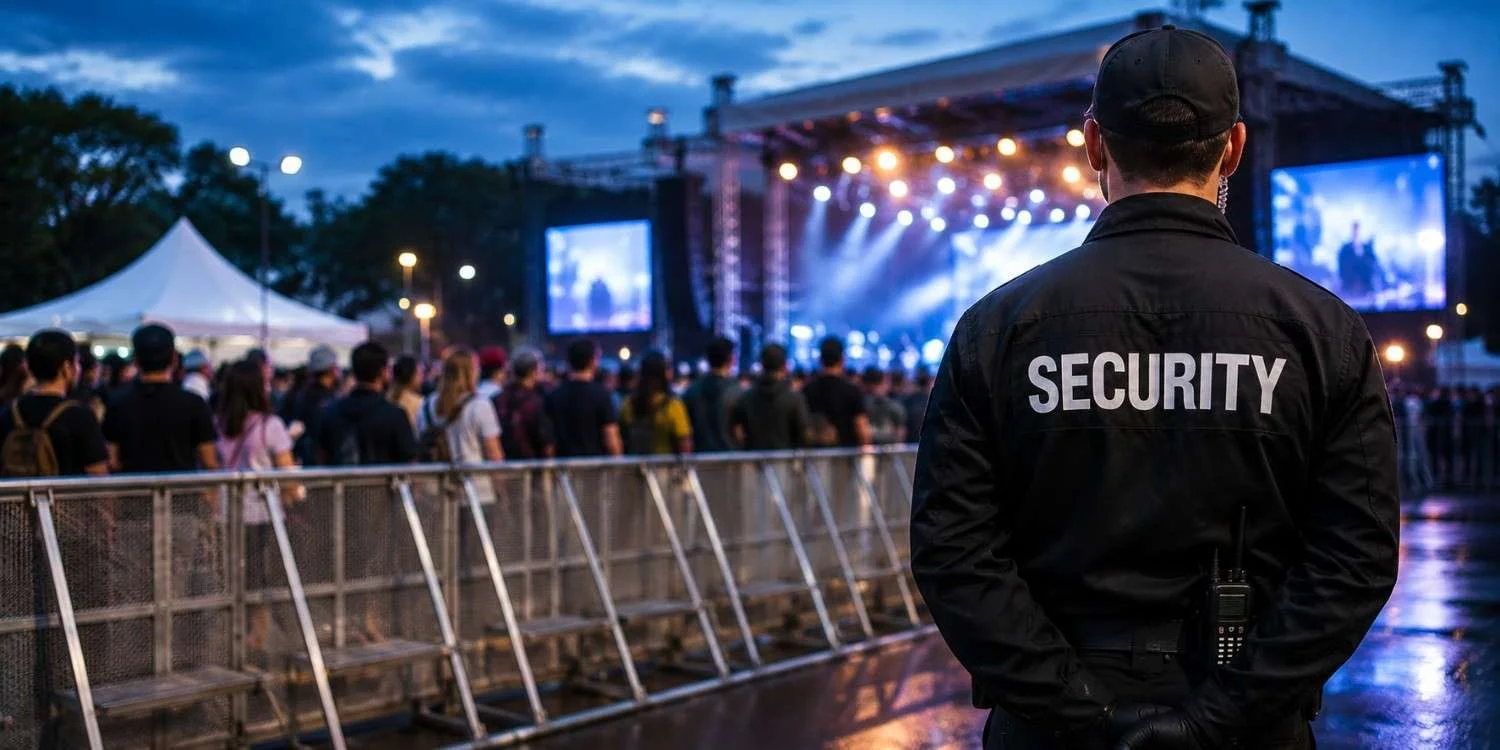
Events bring people together for business, fun and celebrations. However, every event needs proper planning to keep guests safe and the venue organised. Large crowds, busy entry points and sudden problems can affect the success of an event. For this reason, security plays an important role in smooth event management.
Professional event security services help organisers protect guests, manage crowds and handle emergencies. Security teams work before, during and after the event to create a safe and comfortable experience for everyone.
What Is Event Security?
Event security means the safety steps used to protect people, property and activities during an event. Security guards manage entry points, watch guest movement and respond to problems when they happen.
Security planning starts before the event begins. Guards inspect the venue, study the layout and check areas that may need extra attention. They also prepare emergency plans and communication systems.
Event security may include:
Crowd control
Entry checking
Emergency support
CCTV monitoring
Parking management
Protection for restricted areas
Different events need different levels of security. A small private event may need only a few guards, while a large public event may require a bigger team.
Why Event Security Is Essential for Public and Private Events
Every event faces safety risks. Crowds may become difficult to control, guests may enter restricted areas, or emergencies may happen without warning. Security teams help reduce these risks and keep the event organised.
Public events often attract large numbers of people. As a result, organisers need strong crowd control and clear safety plans. Security guards guide guests, monitor behaviour and respond quickly when problems arise.
Private events also need protection. Weddings, business meetings and family functions may involve special guests or valuable equipment. Security staff protect entry points and stop unwanted visitors from entering the venue.
Event security provides many benefits:
Better crowd management
Quick emergency response
Safer entry and exit points
Protection for guests and staff
Better event organisation
Good security also helps guests feel relaxed and comfortable during the event.
Event Guard Security: Roles and Responsibilities
Event guards handle many important duties during an event. They help organisers maintain order and protect guests from possible risks.
Guards often arrive before the event starts. They inspect entrances, secure important areas and check safety equipment. During the event, they monitor crowds, guide visitors and report suspicious activity.
Some guards work near entrances, while others patrol parking areas, backstage sections, or VIP zones. Security teams also support emergency services during medical incidents or evacuations.
Key Skills Required for Event Guards
Professional guards need practical skills and good judgment. They must stay calm and focused during complicated situations.
Important skills include:
Clear communication
Good observation
Teamwork
Conflict handling
Physical fitness
Emergency response knowledge
Experienced guards know how to control difficult situations without creating panic among guests.
Areas Where Event Guards Are Deployed
Security guards work in different parts of the venue to maintain safety across the event.
Common areas include:
Entry and exit gates
Parking spaces
Stage areas
VIP sections
Food courts
Emergency exits
Some guards also patrol outside the venue to stop unauthorised entry.
Types of Event Security Services
Modern event security involves more than standing near entrances. Professional security teams use planning, communication and monitoring systems to protect guests and maintain order. Security plans depend on the type of event, venue size and number of guests. Some events need visible guards across the venue, while others need quiet protection.
Professional event security services may include crowd management, bag checking, access control, emergency planning and patrol services. Security teams also work closely with organisers to support smooth event operations.
Different events require different security arrangements. Security teams prepare plans according to the event type and venue.
Corporate Event Security
Business events often involve company leaders, speakers and important guests. Guards protect restricted areas and monitor entry points.
Security staff also supervise meeting halls and parking spaces so organisers can focus on the event.
Concert and Festival Security
Concerts and festivals attract large crowds and high excitement. These events require strong crowd control and quick communication.
Security guards manage queues, guide visitors and respond to problems quickly. They also help prevent overcrowding near stages and exits.
Exhibition Security
Exhibitions often display valuable products and equipment. Guards patrol exhibition areas and watch visitor movement throughout the event.
Security teams also protect display sections during setup and closing hours.
Private Event Protection
Private events require respectful and careful security. Guards check guest lists, monitor entrances and prevent unwanted disruptions.
This support allows hosts and guests to enjoy the event with peace of mind.
How Professional Event Security Improves Event Safety
Professional security teams improve safety by keeping the venue organised and responding quickly to problems.
Visible security presence often prevents harmful behaviour because guests know guards are watching the area. Security staff also guide crowds and help people move safely through busy sections.
Security teams improve safety through:
Crowd management
Emergency response
Venue patrols
Entry monitoring
Evacuation support
Modern security tools such as CCTV cameras and communication devices also help teams monitor large venues more effectively.
Good communication between organisers and security staff helps events run smoothly and safely.
Common Challenges in Event Security Management
Event security management can become difficult during large or busy events. Crowds, weather conditions and poor communication may create problems for organisers and guards.
Crowd control is one of the biggest challenges. Guests may block exits or gather near stages during busy moments. Security teams must watch crowd movement throughout the event.
Communication problems can also create confusion during emergencies. For this reason, security teams use radios and control systems to share updates quickly.
Other common challenges include:
Traffic congestion
Medical emergencies
Lost property
Equipment protection
Unauthorised entry
Careful planning helps security teams handle these problems and maintain order.
Choosing the Right Event Security Services Provider
Choosing the right security provider is important for event safety. Organisers should check staff training, experience and communication methods before making a decision.
A reliable provider studies the venue carefully and prepares a detailed safety plan. Security teams should explain how they will manage emergencies, crowd control and restricted areas.
Important points to consider include:
Proper licences
Trained security staff
Emergency planning
Crowd management experience
Good communication systems
Organisers should also discuss guest numbers, venue layout and event schedules with the provider before the event.
Conclusion
Every successful event needs proper planning and strong safety measures. Security teams protect guests, manage crowds and respond to emergencies with care and confidence.
Whether the event is public or private, trained guards help create a safe and organised environment. Guests feel relaxed, organisers stay focused and activities continue without major problems.
Professional security support also builds trust and helps events leave a positive impression.
FAQs
-
Event security protects guests, staff, equipment and property while helping organisers manage crowds and emergencies.
-
Security guards monitor entrances, patrol the venue, guide visitors and respond to incidents during the event.
-
Yes. Small events may still involve safety risks, valuable equipment, or restricted areas that need protection.
-
Guards follow emergency plans, guide guests to safe areas and support emergency services.
-
Organisers should discuss venue details, crowd size, emergency planning, entry control and event schedules before the event begins.