Why Businesses Should Hire Professional Traffic Marshals
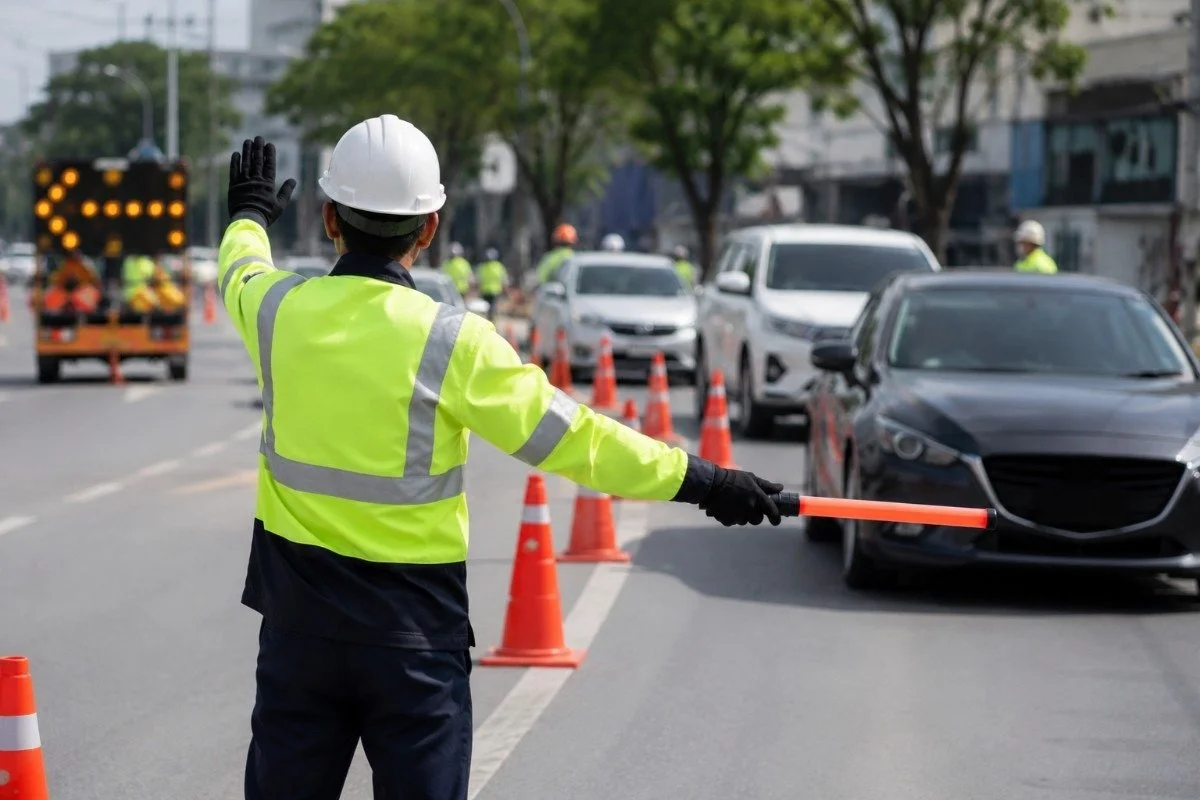
Busy workplaces can become unsafe when vehicles, workers and visitors share the same space. Large vehicles have blind spots, delivery areas can become crowded, and one unclear movement can put people at risk. That is where a trained traffic marshal can make a real difference.
A professional marshal helps guide vehicles, manage busy access points and keep pedestrians away from moving traffic. They also help drivers follow site routes and safety procedures. As a result, businesses can reduce confusion and create a safer working environment.
However, they do more than direct vehicles. From construction sites to warehouses and commercial premises, they support safe and organised traffic movement. Here is why hiring a professional marshal is worth considering.
What Is a Traffic Marshal?
Traffic marshals are skilled individuals who assist in regulating the movement of vehicles in a working environment. The term may sometimes be referred to as a vehicle marshal or banksman, depending on the work being done.
The primary goal is quite simple—to ensure the movement of vehicles and people in the working environment without posing a risk to one another. For example, drivers of vans, lorries and plant may have blind spots. They can guide the driver when the site procedure requires help with a difficult movement.
However, the role involves more than standing near an entrance and giving hand signals. A professional marshal needs to understand the site's traffic plan, hazards, pedestrian routes and communication rules.
Why Businesses Need Professional Traffic Marshals
They play an important role in regulating such movements, protecting people and ensuring that traffic moves safely. This section highlights the key reasons why companies need to hire them.
1. Reduce the Risk of Vehicle Accidents
Vehicle accidents may occur at entrances, loading sites, parking areas and busy work sites. The role of the marshal will be to direct drivers and to ensure that all movements are controlled.
Direct vehicles through tight or busy areas
Control deliveries, pick-ups and HGV movements
Control vehicles going into and out of the site
By having clear guidelines set, it will make sure that drivers navigate the site easily.
2. Keep Pedestrians and Vehicles Apart
People on foot face greater risks when they share routes with vans, lorries and plant. They help maintain a safe space between pedestrians and moving vehicles.
Guide pedestrians towards designated walking routes
Keep people away from active vehicle areas
Manage busy crossing points when needed
As a result, workers and visitors can move around the site without entering unsafe vehicle zones.
3. Make Vehicle Movements More Organised
Several vehicles arriving at once can cause queues and confusion around site entrances. A trained marshal helps each driver understand where to go and when to move.
Direct vehicles towards the correct loading or parking area
Help prevent congestion around entrances and exits
Manage deliveries in line with the site's traffic plan
Better organisation can keep traffic moving while reducing delays during busy periods.
4. Support Safer Reversing
Large vehicles often have blind spots that make reversing difficult. Noise, equipment and people moving nearby can make the situation even more dangerous.
Check that the reversing area is clear
Guide drivers using agreed signals and procedures
Stop movements when conditions become unsafe
A trained marshal gives drivers an extra level of support when reversing cannot be avoided.
5. Help Businesses Meet Their Safety Duties
Businesses must manage workplace risks that could harm employees, visitors and contractors. Vehicle movements should form an important part of that safety planning.
Support the site's traffic management procedures
Help enforce pedestrian and vehicle routes
Identify and report unsafe traffic situations
They support wider safety measures rather than replacing risk assessments, barriers, signs or safe site design.
6. Improve Safety at Site Entrances
Entrances can become busy when workers, visitors and delivery vehicles arrive at the same time. Drivers who do not know the site may also struggle to find the correct route.
Direct arriving vehicles to the right location
Give drivers clear instructions before they enter
Help manage traffic during busy arrival periods
A well-managed entrance creates a safer and more organised first point of contact for everyone using the site.
7. Protect Visitors and Delivery Drivers
Visitors and delivery drivers may not know the site's traffic rules or layout. Without guidance, they could enter restricted areas or take an unsafe route.
Explain where vehicles should park or unload
Guide drivers along approved site routes
Keep visitors away from active plant and vehicle areas
Clear instructions from them can help visitors navigate an unfamiliar workplace with greater confidence.
8. Respond to Changing Site Conditions
Worksites can change throughout the day as deliveries arrive and work areas move. A route that was safe in the morning may become blocked or unsuitable later.
Respond when normal vehicle routes become unavailable
Manage unexpected deliveries or temporary restrictions
Stop traffic when an area becomes unsafe
Unlike signs and barriers, trained marshals can respond when conditions change and help maintain safe traffic control.
9. Give Businesses Access to Trained Professionals
Directing large vehicles should not be handed to someone without suitable knowledge or training. Professional traffic marshals understand safe positioning, communication and site procedures.
Use recognised signals when guiding drivers
Understand when a vehicle movement should stop
Follow the site's agreed traffic management procedures
Using trained professionals gives businesses a more reliable way to manage vehicle movements and support a safer workplace.
What Should You Look for When Hiring a Traffic Marshal?
Every workplace has different traffic risks, so choosing the right traffic marshal matters. Look for trained professionals who understand site safety and can manage people and vehicles with confidence.
Relevant Training
The training should suit the tasks that the marshal is expected to perform. The marshal should understand proper movement of vehicles, proper signals and pedestrian safety.
Good Site Awareness
A good marshal needs to understand the design and layout of the site as well as traffic management procedures prior to the commencement of duty. This will ensure that he understands routes of movement, pedestrian zones, crossings and other dangerous areas within the site.
Clear Communication Skills
They instructs the driver, workers and visitors throughout his working period. These instructions should be clear and easy to understand by the listener.
Professional Conduct
They might be the first person that the visitor meets at the site. It is therefore important for him to conduct himself in a professional manner to ensure discipline and order on the site.
When Should a Business Hire a Traffic Marshal?
Not every workplace needs a marshal at all times. The decision should come from the site's risk assessment. However, professional traffic control may be worth considering when a site has large or frequent vehicle movements, limited visibility or busy pedestrian areas.
It can also be useful when:
HGVs regularly enter or leave the site
vehicles must reverse in restricted areas
construction plant operates near workers
deliveries create congestion at entrances
vehicle and pedestrian routes cross
temporary works change normal traffic routes
If vehicle movement could put people at risk, the business should assess the hazard and choose suitable controls.
Conclusion
Busy sites need more than signs and painted lines to keep traffic under control. A trained traffic marshal can help manage vehicle movements, guide drivers and support safer separation between vehicles and people.
However, the best results come from combining trained marshals with a clear traffic management plan, safe routes and strong site rules. Businesses should review their current vehicle movements, entrances and pedestrian areas to find gaps before an incident occurs. Where extra control is needed, professional marshals can provide a practical layer of support and help create a safer, more organised site for workers, drivers and visitors.
FAQs
-
They control the movement of vehicles in areas where there is a risk of the vehicles coming near workers, visitors, or others who are using the roads. The functions may include directing drivers, controlling access, and facilitating reverse parking.
-
They may be used in similar situations, but their responsibilities may differ. The banksmen may be responsible for directing the movement of particular vehicles/plants only, while the marshal is responsible for directing the movement of all the traffic in the area. It is up to the business to define its requirements.
-
No. The need depends on the site's risk assessment and traffic arrangements. Where vehicle movements create risks that cannot be controlled through site layout and other measures alone, trained marshals may form part of the safe system of work.
-
Construction sites normally have workers, delivery vehicles, and mobile plant sharing the same space. Traffic management is meant to keep people and vehicles where necessary, control dangerous manoeuvres, and provide safe passage for all.
-
They should wear suitable personal protective equipment based on the site's risk assessment. This often includes high-visibility clothing so drivers can see them, along with other PPE required for the workplace.